
Understanding Head and Neck Cancer and Its Common Complications
Head and neck cancer affects thousands of people every year. It can change how you speak, swallow, and even breathe. Along with the cancer itself, treatments like radiation can cause side effects that impact daily life. Radiation fibrosis, lymphedema, and dysphagia are some of the challenges many face after treatment. Knowing about these conditions helps you manage them better and find the right support.
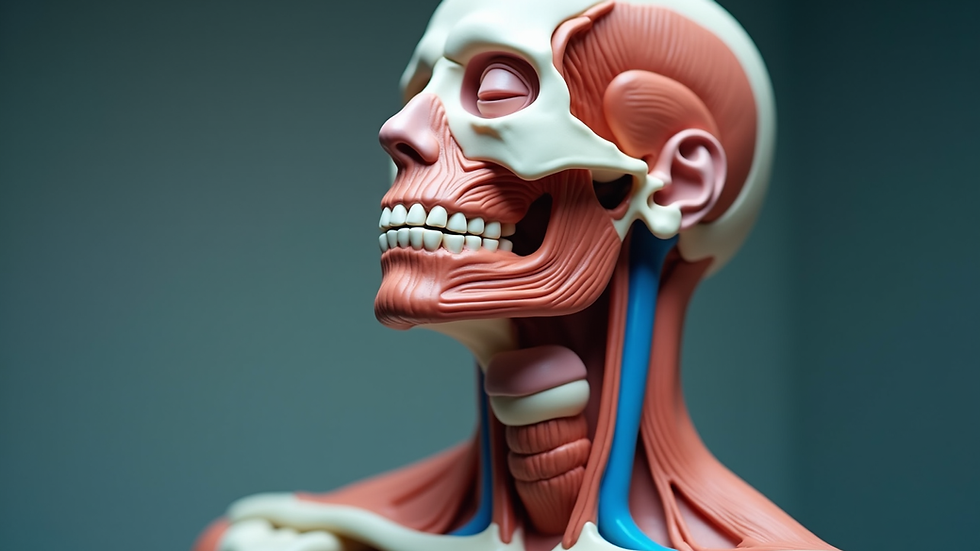
Close-up view of a medical model showing the anatomy of the head and neck
What Is Head and Neck Cancer?
Head and neck cancer includes cancers that start in the mouth, throat, voice box, nose, or salivary glands. These cancers often affect important functions like speaking and swallowing. Treatment usually involves surgery, radiation, chemotherapy, or a combination.
Radiation therapy is common because it targets cancer cells but can also affect healthy tissues nearby. This can lead to side effects that last long after treatment ends.
Radiation Fibrosis: What It Is and How It Affects You
Radiation fibrosis happens when radiation causes scar tissue to form in the treated area. This scar tissue can make the skin and muscles stiff and tight. For people with head and neck cancer, this stiffness can affect the neck, face, and throat.
The tightness can limit movement, making it hard to turn your head or open your mouth fully. It can also affect swallowing and speaking. Radiation fibrosis usually develops months or even years after treatment.
Managing Radiation Fibrosis
Physical therapy and specialized exercises can help reduce stiffness. Gentle stretching and massage may improve movement. Speech and swallowing therapy also play a key role in managing symptoms.
One helpful service is the Swallowing Therapy Program offered by Louisiana Voice & Swallow Solutions. This program focuses on exercises and techniques to improve swallowing function after radiation fibrosis. You can learn more about it here.
Lymphedema in the Head and Neck Area
Lymphedema is swelling caused by a buildup of lymph fluid. It can happen when lymph nodes are removed or damaged during cancer treatment. In head and neck cancer, lymphedema often affects the face, neck, and sometimes the shoulders.
Swelling can cause discomfort, tightness, and changes in appearance. It may also make it harder to swallow or breathe in some cases.
How to Manage Lymphedema
Treatment includes gentle massage called manual lymphatic drainage, compression garments, and exercises to encourage fluid flow. Early treatment is important to prevent worsening.
Louisiana Voice & Swallow Solutions offers Lymphedema Therapy designed specifically for head and neck patients. This therapy helps reduce swelling and improve comfort. You can find more details here.

Eye-level view of a patient receiving gentle neck massage for lymphedema treatment
Dysphagia: Difficulty Swallowing After Cancer Treatment
Dysphagia means trouble swallowing. It is a common problem after head and neck cancer treatment. Radiation and surgery can weaken muscles or cause scarring that makes swallowing painful or difficult.
Dysphagia can lead to choking, coughing during meals, or feeling like food is stuck. It can also cause weight loss and dehydration if eating becomes too hard.
Improving Swallowing Function
Speech-language pathologists specialize in helping people with dysphagia. They teach exercises to strengthen swallowing muscles and suggest safe eating techniques.
The Voice and Swallow Therapy service at Louisiana Voice & Swallow Solutions offers personalized plans to improve swallowing and voice after cancer treatment. Learn more about this service here.
How Therapy Services Can Make a Difference
Living with the effects of head and neck cancer is challenging. Therapy services that focus on voice, swallowing, and lymphedema can improve quality of life. They help restore function and reduce discomfort.
Louisiana Voice & Swallow Solutions brings these specialized therapies directly to patients in South Louisiana. This makes it easier to get the care you need without traveling far.
What to Expect from Therapy
Personalized evaluation to understand your needs
Exercises tailored to your condition
Hands-on techniques like massage for lymphedema
Support and education for managing symptoms at home

High angle view of therapy tools used for swallowing exercises
Taking the Next Step
If you or a loved one is dealing with head and neck cancer and its side effects, know that help is available. Early intervention with therapy can prevent complications from getting worse.
Reach out to providers who understand the unique challenges of head and neck cancer recovery. Services like those from Louisiana Voice & Swallow Solutions offer expert care close to home.
Remember, managing radiation fibrosis, lymphedema, and dysphagia is possible with the right support. You don’t have to face these challenges alone.
This article is for informational purposes only and does not replace professional medical advice. Always consult your healthcare provider for diagnosis and treatment options.



Comments