
Mobile Swallowing Care: A Modern Approach
Swallowing difficulties can affect anyone, especially those recovering from head and neck cancer or dealing with neurological conditions. These challenges impact daily life, making eating and drinking stressful and sometimes unsafe. Fortunately, advances in healthcare have brought us new ways to assess and manage swallowing issues. One of the most promising developments is mobile swallowing care, which brings expert evaluation and therapy directly to patients, wherever they are.
In this post, I will walk you through what mobile swallowing care means, why it matters, and how it can transform the way swallowing disorders are diagnosed and treated. I will also share practical insights on how this modern approach can improve outcomes and quality of life.
Understanding Mobile Swallowing Care
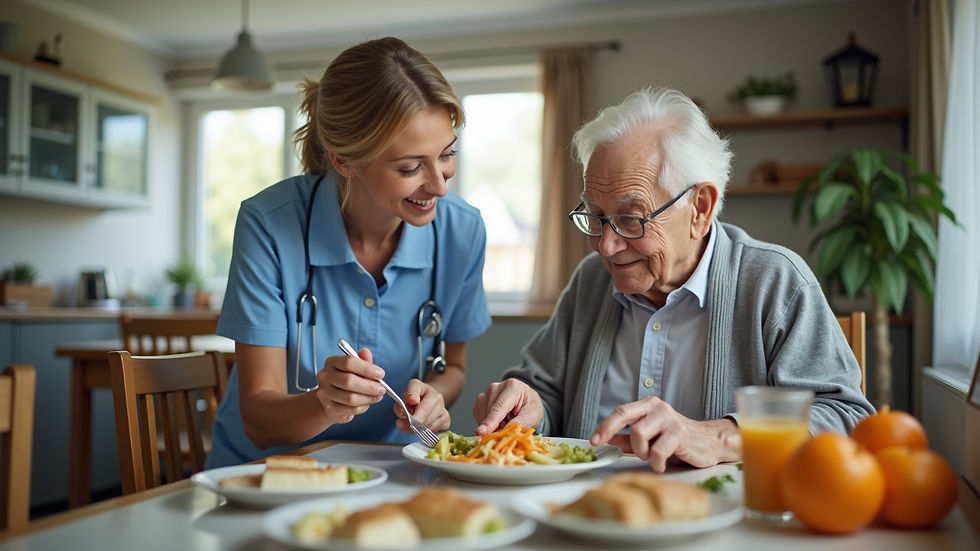
Mobile swallowing care is a service model that delivers swallowing assessments and therapy outside traditional clinical settings. Instead of requiring patients to travel to hospitals or clinics, specialists come to homes, nursing facilities, or community centers. This approach is especially valuable for adults in South Louisiana who may face transportation challenges or mobility issues.
The core of mobile swallowing care is accessibility. It ensures that people who need help with swallowing can receive timely, personalized attention without the stress of travel. This is crucial for those with complex medical histories, such as veterans or individuals recovering from cancer treatments, who often require ongoing monitoring and support.
Key Benefits of Mobile Swallowing Care
Convenience: Patients receive care in familiar environments, reducing anxiety.
Timeliness: Early detection and intervention can prevent complications like aspiration pneumonia.
Personalization: Therapists can observe swallowing in real-life settings, tailoring therapy to individual needs.
Continuity: Regular visits support consistent progress and adjustment of treatment plans.

How Mobile Swallowing Care Works
The process begins with a thorough evaluation by a speech-language pathologist (SLP) trained in swallowing disorders. Using portable tools and technology, the SLP assesses the patient’s ability to swallow safely and effectively. This may include:
Clinical bedside swallowing evaluations
Use of portable imaging devices
Real-time observation of eating and drinking habits
One of the most exciting aspects of this approach is the integration of mobile swallowing diagnostics. These diagnostics allow specialists to capture detailed information about swallowing function without the need for bulky, fixed equipment. This technology provides clear insights into the mechanics of swallowing, helping to identify specific problems such as delayed swallow reflex or reduced muscle strength.
After the assessment, the SLP develops a customized therapy plan. This plan often includes exercises, dietary modifications, and strategies to improve swallowing safety. Follow-up visits ensure that progress is monitored and adjustments are made as needed.
Practical Example
Imagine a veteran living in a rural part of South Louisiana who has difficulty swallowing after surgery. Traveling to a clinic might be difficult due to distance and mobility. With mobile swallowing care, a specialist visits the veteran’s home, performs a detailed swallowing evaluation using portable tools, and starts therapy immediately. This reduces the risk of complications and supports faster recovery.
Tools and Techniques in Mobile Swallowing Care
Mobile swallowing care relies on a combination of traditional clinical skills and innovative technology. Here are some of the key tools and techniques used:
Portable Endoscopy: Small, flexible cameras can be used to view the throat and vocal cords during swallowing. This helps detect abnormalities or aspiration risks.
Surface Electromyography (sEMG): This non-invasive method measures muscle activity during swallowing, providing feedback for therapy.
Ultrasound Imaging: Portable ultrasound devices visualize tongue and throat muscle movements.
Telehealth Integration: Video calls and remote monitoring allow specialists to guide therapy sessions and check progress when in-person visits are not possible.
These tools make it possible to deliver high-quality care in diverse settings, from private homes to assisted living facilities.

Who Can Benefit Most from Mobile Swallowing Care?
Mobile swallowing care is designed to serve a wide range of individuals, but it is especially beneficial for:
Adults recovering from head and neck cancer: Surgery and radiation can affect swallowing muscles and nerves. Regular monitoring and therapy are essential.
Veterans: Many veterans face unique health challenges, including neurological conditions that impact swallowing.
Individuals with neurological disorders: Conditions like stroke, Parkinson’s disease, or multiple sclerosis often cause swallowing difficulties.
Older adults with mobility issues: Traveling to clinics can be difficult, making home-based care a safer option.
Patients in rural or underserved areas: Access to specialized care is often limited outside urban centers.
By bringing care directly to these populations, mobile swallowing care helps reduce health disparities and improves overall well-being.
Steps to Take if You or a Loved One Needs Mobile Swallowing Care
If you suspect swallowing difficulties or have been diagnosed with a condition affecting swallowing, here are some practical steps to consider:
Seek a professional evaluation: Early assessment by a qualified speech-language pathologist is critical.
Ask about mobile swallowing care options: Check if local providers offer home visits or community-based services.
Prepare for the visit: Have a list of symptoms, medical history, and any current medications ready.
Follow therapy recommendations: Consistency with exercises and dietary changes is key to improvement.
Stay in touch with your care team: Regular communication helps track progress and address new concerns.
Remember, swallowing problems can lead to serious complications if left untreated. Taking action early can make a significant difference.
Embracing the Future of Swallowing Care
Mobile swallowing care represents a shift toward patient-centered, accessible healthcare. It combines the expertise of speech-language pathologists with cutting-edge technology to meet patients where they are. This approach not only improves clinical outcomes but also enhances comfort and dignity for those facing swallowing challenges.
As this model continues to grow, it holds promise for expanding access to specialized care across South Louisiana and beyond. Whether you are managing recovery from cancer, coping with a neurological condition, or supporting a loved one, mobile swallowing care offers a modern, effective solution.
By embracing this approach, we can ensure that everyone has the opportunity to enjoy safe, comfortable swallowing and a better quality of life.
Thank you for reading about this important topic. If you or someone you know could benefit from mobile swallowing care, consider reaching out to local providers who specialize in these services. Taking the first step can lead to meaningful improvements and renewed confidence in daily life.


Comments