
Finding Local Videostroboscopy Services: A Guide to Specialized Voice and Swallowing Care
When it comes to voice and swallowing health, having access to the right diagnostic tools is essential. One such tool is videostroboscopy, a specialized procedure that helps healthcare providers see the vocal cords in action. If you or a loved one needs this service, finding local videostroboscopy services can make a significant difference in your care experience. In this post, I will walk you through what videostroboscopy is, why it matters, and how to find reliable services near you.
Understanding Local Videostroboscopy Services and Their Importance
Local videostroboscopy services provide a crucial window into the function of your vocal cords. This procedure uses a strobe light combined with a video camera to capture slow-motion images of the vocal folds as they vibrate during speech or singing. It allows specialists to detect subtle abnormalities that might not be visible with standard examination methods.
For adults dealing with voice changes, swallowing difficulties, or those recovering from head and neck cancer, videostroboscopy offers detailed insights that guide effective treatment plans. It is also valuable for veterans who may have unique voice or swallowing challenges due to their service.
Accessing these services locally means you can receive timely evaluations without traveling long distances. This convenience supports ongoing therapy and follow-up care, which are vital for successful outcomes.
How to Find Local Videostroboscopy Services Near You
Finding the right provider for videostroboscopy can feel overwhelming, but there are practical steps you can take to simplify the process:
Start with Your Healthcare Provider
Your primary care doctor, ENT specialist, or speech-language pathologist can often refer you to trusted local videostroboscopy services. They know the specialists in your area and can recommend facilities equipped with the latest technology.
Search Online with Specific Keywords
Using search terms like "videostroboscopy near me" can help you locate nearby clinics or hospitals offering this service. Look for providers with positive reviews and clear information about their expertise.
Check with Local Hospitals and Voice Centers
Many hospitals and specialized voice centers in South Louisiana offer videostroboscopy as part of their diagnostic services. Contacting these centers directly can provide details about appointment availability and insurance coverage.
Consider Telehealth and Mobile Services
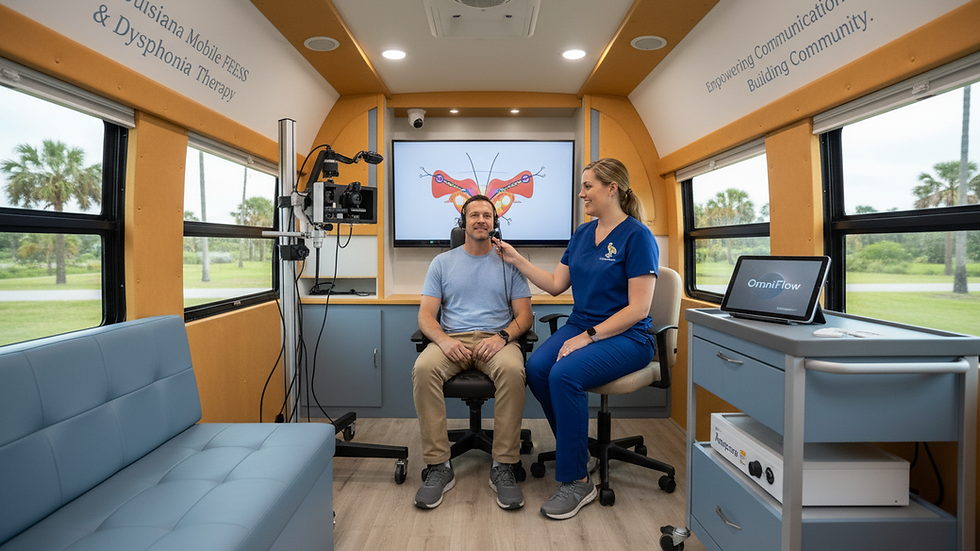
Some providers now offer mobile videostroboscopy or telehealth consultations to reach patients in more remote areas. This option can be especially helpful if transportation is a challenge.
Verify Credentials and Experience
Ensure the clinic or specialist performing the procedure has experience with voice and swallowing disorders. Board-certified otolaryngologists or speech-language pathologists with specialized training in voice care are ideal.
By following these steps, you can find a local provider who meets your needs and offers compassionate, expert care.
What is the difference between a laryngoscopy and a videostroboscopy?
Understanding the difference between laryngoscopy and videostroboscopy can help you appreciate why the latter is often preferred for detailed voice assessments.
Laryngoscopy is a procedure that uses a small camera to look at the vocal cords and larynx. It provides a real-time view but does not capture the fine details of vocal fold vibration.
Videostroboscopy enhances this by using a strobe light to create slow-motion images of the vocal cords as they move. This allows clinicians to observe the vibration patterns, symmetry, and any irregularities that might affect voice quality.
In short, laryngoscopy shows the structure, while videostroboscopy shows the function. For patients with voice disorders, videostroboscopy offers a more comprehensive evaluation, leading to better diagnosis and treatment planning.

What to Expect During a Videostroboscopy Appointment
If you are scheduled for a videostroboscopy, knowing what to expect can ease any anxiety and help you prepare:
Preparation: The procedure is usually outpatient and does not require special preparation. You may be asked to avoid eating or drinking for a short period before the test.
Procedure: A thin, flexible scope is gently inserted through your nose or mouth to reach the vocal cords. The strobe light flashes in sync with your vocal fold vibrations, and a camera records the images.
Duration: The test typically takes 15 to 30 minutes. You will be asked to perform various voice tasks, such as speaking or singing, to assess different vocal functions.
Comfort: Some mild discomfort or gagging may occur, but the procedure is generally well tolerated. Local anesthetic sprays can be used to minimize discomfort.
Results: The specialist will review the video recordings and discuss findings with you. This information helps guide voice therapy, medical treatment, or surgical options if needed.
Knowing these details can help you feel more confident and engaged in your care.
Why Choosing a Local Provider Matters for Voice and Swallowing Health
Choosing a local provider for videostroboscopy and related therapies offers several advantages:
Continuity of Care: Voice and swallowing disorders often require ongoing therapy. Having a local provider means easier scheduling for follow-ups and adjustments to your treatment plan.
Personalized Attention: Local clinics tend to offer more personalized care, with providers who understand the community’s specific needs and challenges.
Accessibility: Traveling long distances for specialized care can be difficult, especially for those with mobility issues or chronic conditions. Local services reduce this burden.
Support Network: Being treated close to home allows you to involve family and friends in your care journey, providing emotional support and encouragement.
Louisiana Voice & Swallow Solutions is committed to expanding access to these vital services across South Louisiana. By bringing specialized care closer to patients, they aim to improve outcomes and quality of life for those facing voice and swallowing challenges.
Taking the Next Step: Scheduling Your Videostroboscopy
If you suspect a voice or swallowing problem, or if you have been referred for further evaluation, scheduling a videostroboscopy is a proactive step toward better health. Here are some tips to help you move forward:
Contact Your Healthcare Provider: Ask for a referral to a local videostroboscopy service.
Use Online Resources: Search for "videostroboscopy near me" to find nearby providers with available appointments.
Prepare Questions: Write down any concerns or symptoms you want to discuss during your appointment.
Check Insurance Coverage: Verify that the service is covered by your insurance plan to avoid unexpected costs.
Follow Pre-Appointment Instructions: Adhere to any guidelines provided by the clinic to ensure accurate results.
Taking these steps will help you access the care you need with confidence and ease.
Finding local videostroboscopy services is an important part of managing voice and swallowing health. With the right information and support, you can connect with expert providers who understand your needs and offer compassionate, effective care. Remember, early diagnosis and treatment can make a significant difference in your recovery and quality of life. Reach out today and take the first step toward clearer, stronger voice and safer swallowing.



Comments